

Introduction
Global trade undergoes a deep transformation as shipping adapts to new technologies, sustainability demands, and shifting geopolitical landscapes. In 2026, the maritime industry does more than move goods—it redefines how economies connect how supply chains operate and how businesses plan for the future. The following seven trends highlight the forces that reshape global shipping and their impact on trade worldwide.
Digitalization of Shipping Operations
The shipping industry is adopting digital platforms to streamline operations, reduce paperwork, and improve transparency. Blockchain-based documentation smart contracts and automated customs clearance are becoming standard practice. These breakthroughs reduce delays, cut costs, and improve trust among trading partners. Digitalization also enables real-time cargo tracking, giving businesses greater visibility into their supply chains.
Sustainability and Green Shipping Initiatives
Environmental regulations and consumer demand for eco-friendly practices are driving shipping companies to adopt greener technologies. From alternative fuels such as ammonia and hydrogen to energy-efficient vessel designs, sustainability is now a competitive advantage. Ports are investing in shore power systems to reduce emissions while ships are docked, and carbon-neutral shipping routes are emerging as a selling point for conscious businesses.
Rise of Autonomous Vessels
Automation is no longer limited to warehouses and factories—it is making waves at sea. Autonomous ships equipped with advanced navigation systems and AI-driven decision-making are being tested on major trade routes. These vessels promise reduced labor costs for fewer accidents, and optimized fuel consumption. While regulatory frameworks are still taking shape, autonomous shipping is set to become a cornerstone of global logistics.
Supply Chain Resilience and Diversification
The disruptions of recent years have taught businesses the importance of resilience. Shipping companies are diversifying routes investing in regional hubs and building redundancy into supply chains. This shift reduces dependence on single chokepoints such as the Suez Canal and mitigates risks from geopolitical tensions. Companies are also leveraging maritime business intelligence to anticipate disruptions and make data-driven decisions about cargo flows.
Smart Ports and Infrastructure Modernization
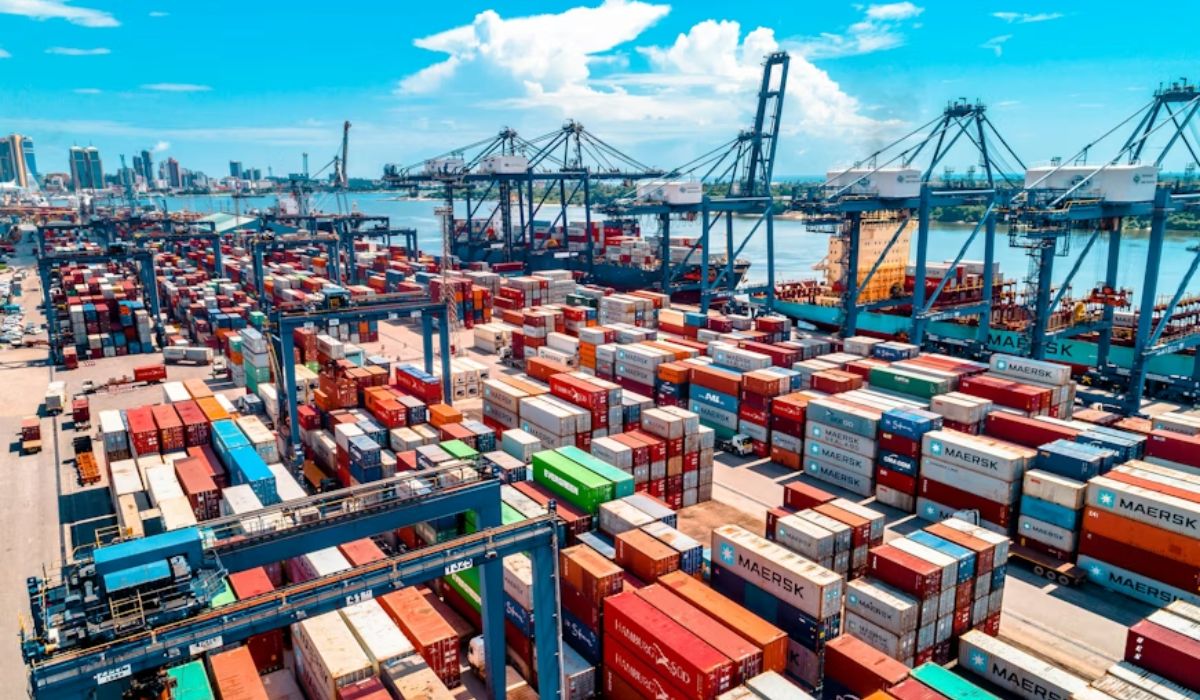
Ports worldwide are transforming into smart logistics hubs. Automated cranes, AI-powered scheduling, and IoT-enabled sensors are improving productivity and reducing congestion. Smart ports can handle larger volumes of cargo with fewer delays, making them critical nodes in global trade. Infrastructure modernization also includes expanded capacity to handle mega-ships, ensuring ports remain competitive in the era of massive container vessels.
Geopolitical Shifts and Trade Realignments
Global shipping has a deep influence on political dynamics. Trade agreements, sanctions, and regional conflicts are reshaping shipping routes and alliances. In 2026, new trade corridors are emerging as countries seek to bypass traditional routes and reduce reliance on sensitive regions. Shipping companies must remain agile in adapting to these shifts while ensuring compliance with evolving international regulations.
Integration of Artificial Intelligence and Predictive Analytics
AI is causing a revolution in shipping logistics by enabling predictive maintenance, demand forecasting, and route optimization. Predictive analytics help companies anticipate market fluctuations and adjust shipping schedules. AI-driven systems also enhance safety by monitoring vessel performance and identifying potential hazards before they escalate. This integration of intelligence into shipping operations ensures smoother and more reliable trade flows.
Conclusion
Global shipping in 2026 shows progress through new ideas, environmental responsibility, and flexibility. From self-driving vessels to intelligent ports, the industry changes to satisfy the needs of modern trade. These seven trends show how shipping keeps up with transformation and shapes the future of global commerce. As businesses and nations move through this new era, shipping stays the backbone of international trade—more energetic and reliable than ever before.
