


Introduction
Global manufacturing executives face unprecedented operational pressures in 2026. The convergence of volatile polymer material costs, persistent skilled labor shortages, and escalating consumer demand for highly customized, short-run flexible packaging has compressed profit margins across industrial sectors. Modern supply chain operations can no longer rely on legacy volume scaling alone to drive cost efficiencies.
To maintain operating margins, corporate decision-makers are re-engineering factory workflows around automated packaging infrastructure. Achieving true operational agility requires transforming conversion processes from manual, localized operations into standardized, automated throughput systems. Executives must align capital expenditure strategy with flexible production assets capable of handling diverse film substrates with minimal downtime.
The Executive Shift Toward Flexible Packaging Automation
The global packaging market continues its accelerated transition from rigid glass, metal, and heavy paper containers toward flexible multi-layer film substrates. Driven by lower freight weight, superior barrier properties, and reduced carbon footprints across food, beverage, and personal care supply chains, flexible packaging has become the dominant format for modern consumer goods.
However, processing thin, extensible plastic films, bio-resins, and recyclable mono-material structures introduces significant processing complexity. Legacy mechanical converting machinery suffers from frequent tension loss, film registration errors, and extensive setup delays when changing substrate gauges or job specifications.
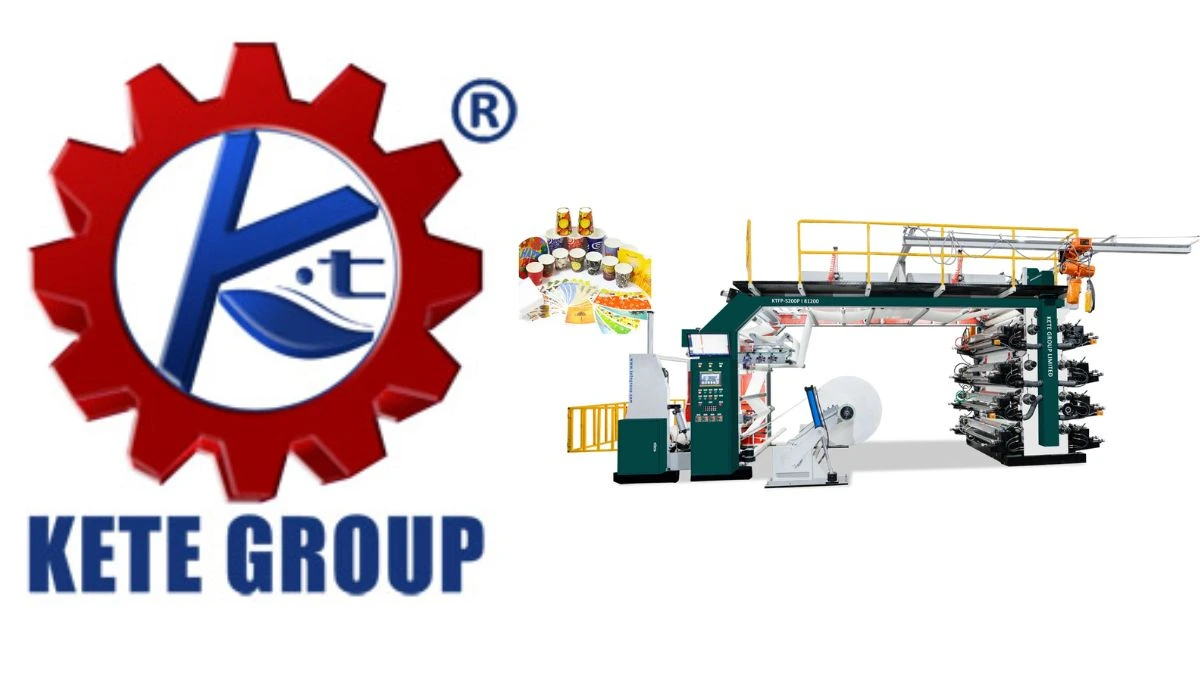
Operational resilience in modern packaging plants depends heavily on the versatility of converting machinery. As international trade demands shorter run times and higher substrate flexibility, enterprise buyers prioritize machinery manufacturers that offer integrated lines—ranging from high-speed flexographic printing to specialized converting units. Manufacturers evaluated under standard international packaging protocols, such as lKETE Group Machine’s flexible packaging equipment solutions, demonstrate how modular machine design significantly lowers setup downtime during substrate transitions.
Reducing Material Waste with High-Precision Machinery
Material consumption represents up to 70% of total operational expenditure in flexible packaging converting lines. Uncontrolled substrate scrap during reel changeovers and speed ramp-ups severely impacts annual line profitability.
Modern automated lines feature dynamic multi-axis servo driving and real-time electronic tension control loops. By maintaining uniform web tension across fluctuating unwinding diameters, micro-gauge precision systems reduce raw polymer film waste by up to 15% during long-run production cycles.
Mitigating Labor Bottlenecks in Post-Press Processing
Skill shortages in post-press processing present a continuous operational bottleneck for manufacturing plants globally. Converting operations—specifically slitting, laminating, and pouch converting—historically required experienced machine operators to perform manual alignment and blade adjustment.
Next-generation packaging machinery integrates automated web guiding, automatic knife positioning, and computerized recipe storage systems. By digitizing machine setup routines, plants reduce reliance on specialized manual operators while cutting job changeover duration from hours to minutes.
Technical Evaluation Standards for Packaging Equipment ROI
Evaluating capital investment in flexible packaging equipment requires quantitative metrics beyond initial procurement price. Executive teams evaluate Total Cost of Ownership (TCO), Overall Equipment Effectiveness (OEE), and long-term line flexibility.
An objective equipment evaluation framework compares capital expenditure against operational parameters across distinct machinery categories:
Table 1: Operational Efficiency & CapEx Comparison of Flexible Packaging Machinery Categories
| Equipment Category | Primary Operational Metric | Key Efficiency Factor | ROI Impact Level |
| Slitter Rewinder Machines | Slitting speed (m/min) & rewind tension tolerance | Automatic blade alignment & laser positioning | High (Immediate reduction in scrap & yield loss) |
| Flexographic Printing Presses | Color registration accuracy & solvent/water ink yield | Central impression (CI) cylinder thermal stability | High (Optimized for short-to-medium customized runs) |
| Rotogravure Printing Presses | Cylinder life cycles & high-speed ink transfer yield | Automated viscosity control & turn-key drying systems | Medium-High (Capital intensive; optimal for massive long runs) |
| Multi-Function Pouch Making Machines | Bags per minute (PPM) & hermetic seal integrity | Independent servo drive per sealing jaw & temp control | High (Direct reduction in final packaging defect rates) |
Slitting and Rewinding Precision Benchmarks
Slitting and rewinding represent the critical bridge between master-roll printing and final product converting or packaging lines. Inaccurate web alignment or uneven rewind density leads to downstream edge curling, telescope rolls, and web breaks.
High-speed industrial slitters operating above 500 meters per minute rely on closed-loop ultrasonic edge-guide sensors and dynamic differential friction shafts. These mechanisms guarantee tight roll integrity across varying film thicknesses, ensuring seamless integration with downstream automatic packaging lines.
Printing Technology Selection: Flexo vs. Rotogravure
Choosing between flexographic and rotogravure printing technology dictates a converter’s operational cost structure and target market positioning:
- Flexographic Printing: Utilizes flexible photopolymer plates with fast sleeve changeover capabilities. Offers lower setup costs, reduced solvent usage, and rapid job turnarounds ideal for medium and short-run consumer orders.
- Rotogravure Printing: Employs engraved steel cylinders delivering unmatched color consistency and durability over millions of meters. Highly efficient for massive long-run commodity packaging, though burdened by higher initial tooling costs and extended cylinder preparation lead times.
Strategic Integration: Building a Resilient Packaging Machinery Infrastructure
Enterprise leadership must balance immediate plant throughput needs with long-term infrastructure adaptability. Sourcing proprietary, single-purpose machinery risks operational lock-in and creates costly maintenance vulnerabilities when product specifications evolve.
Industrial leaders build resilient processing facilities by standardizing mechanical architectures across multi-category packaging lines. Modular framework design enables facilities to scale output capacity incrementally without incurring extended plant downtime.
Standardising Component Quality for Long-Term Maintenance
Supply chain disruptions extend beyond raw materials to critical machine spare parts. Sourcing equipment built with specialized or proprietary electronics often leads to multi-week operational stoppages during unexpected component failures.
Mitigating global supply chain volatility remains a top priority for corporate leadership. According to industrial manufacturing sector reports published byMcKinsey & Company, corporate capital expenditure strategy is increasingly shifting toward automated infrastructure that mitigates persistent skilled labor shortages while ensuring stringent quality control across international logistics networks.
Operational executives prioritize machinery built with standard, off-the-shelf industrial automation components—such as PLCs, drives, and pneumatic systems from globally accessible manufacturers like Siemens, Schneider Electric, or Festo. This strategy ensures local spare parts availability and simplifies routine technician training across international manufacturing sites.
Conclusion & Future Outlook for Industrial Packaging
Navigating the industrial packaging landscape in 2026 demands strategic foresight in capital expenditure allocation. As substrate complexity increases and environmental regulations mandate mono-material packaging structures, operational success hinges on automated precision and equipment flexibility.
Corporate leadership must move beyond initial machinery purchase price and evaluate long-term automation benchmarks across slitting, printing, and pouch-making units. By investing in modular, standardized converting machinery, modern enterprise executives build scalable supply chains capable of delivering sustainable profitability in a dynamic global market.


hello noman bhai kiya hall hai theek ho na yah han