
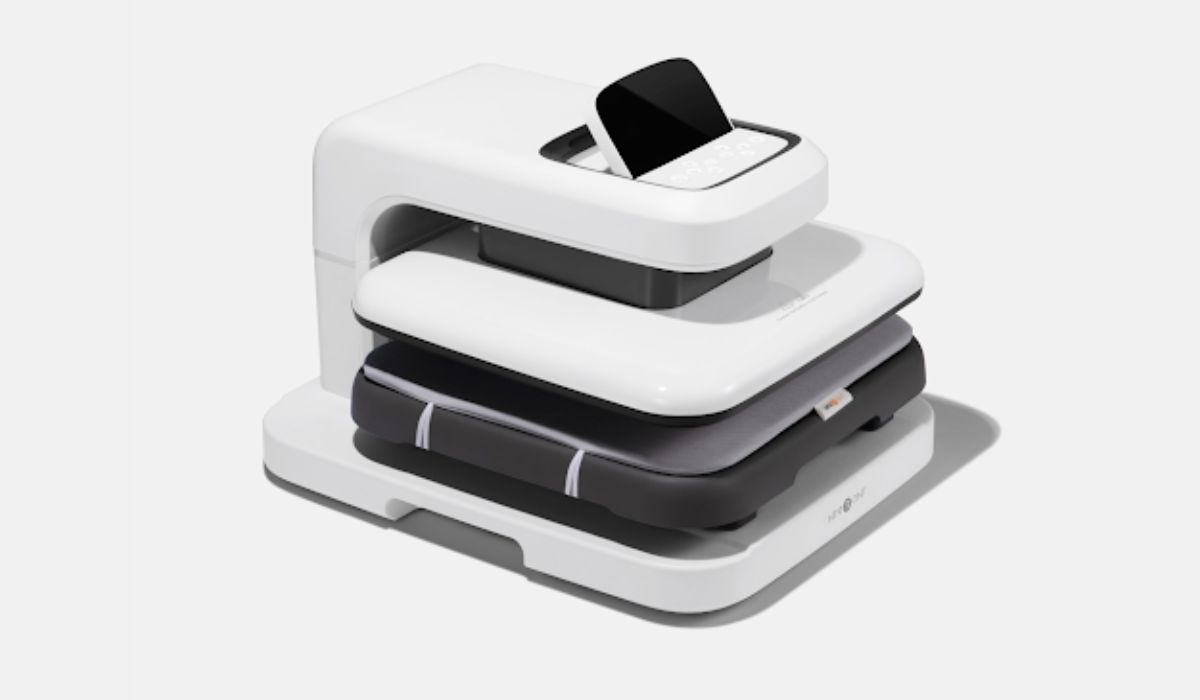

The custom printing industry continues to grow as more businesses, hobbyists, and creative entrepreneurs look for ways to produce personalized products. From custom apparel and promotional merchandise to home décor and gifts, heat transfer technology has opened the door to countless opportunities. What once required expensive industrial equipment can now be accomplished with compact and affordable tools designed for small businesses and home workshops.
One of the most common tools used in garment decoration is the T shirt heat press. This machine allows users to transfer designs onto fabric using controlled heat and pressure. Whether creating custom shirts for a business, sports team, school event, or online store, a heat press plays a central role in producing professional-looking results.
At the same time, many beginners are exploring portable equipment and sublimation printing. A portable heat press offers flexibility and convenience for small projects, while understanding what is sublimation paper helps users create vibrant, long-lasting prints on suitable materials. Learning how these technologies work together can help anyone build a successful printing workflow and improve the quality of their finished products.
Understanding Modern Heat Press Technology
Heat transfer printing has evolved significantly over the years. Modern machines provide better temperature control, improved pressure distribution, and more consistent results than earlier equipment. This advancement has made custom printing accessible to a much larger audience.
A T shirt heat press uses heat and pressure to transfer graphics from a printed design onto fabric. The process may involve heat transfer vinyl, sublimation transfers, direct-to-film transfers, or other specialized materials. The combination of temperature, pressure, and timing creates a permanent bond between the design and the garment.
One reason heat press printing remains so popular is its versatility. Users can create custom products in small quantities without the setup costs associated with traditional screen printing. This flexibility is especially valuable for businesses that offer personalized products or print-on-demand services.
The ability to produce professional-quality designs from a small workspace has transformed the custom apparel market. Many entrepreneurs begin with a single heat press machine and gradually expand their operations as demand grows. This low barrier to entry makes heat transfer printing an attractive option for startups and independent creators.
Why a T Shirt Heat Press Is Essential for Custom Apparel
Custom apparel remains one of the largest segments of the personalized product industry. Whether producing branded merchandise, event shirts, or fashion designs, a reliable T shirt heat press is often considered the foundation of the production process.
The primary advantage of a heat press is consistency. Unlike household irons, which distribute heat unevenly, professional machines apply uniform temperature and pressure across the entire design area. This consistency improves print quality and helps ensure long-term durability.
Another important benefit is efficiency. Heat presses can produce high-quality results in a relatively short amount of time. Businesses can process multiple orders quickly without sacrificing quality. This balance between speed and precision makes heat pressing ideal for both small and medium-scale production environments.
A T shirt heat press also supports various transfer methods. Users can work with heat transfer vinyl, sublimation prints, direct-to-film transfers, and specialty materials depending on their production goals. This flexibility allows businesses to expand their offerings and adapt to changing customer preferences.
As customization becomes increasingly popular, consumers expect unique designs and personalized products. A dependable heat press provides the capability to meet these expectations while maintaining professional standards across every order.
The Growing Popularity of the Portable Heat Press
Not every creator needs a large industrial machine. Many hobbyists, crafters, and small business owners are turning to compact solutions that save space while still delivering impressive results. This shift has contributed to the growing popularity of the portable heat press.
A portable heat press offers several advantages for users with limited workspace. Its compact design makes it easy to store, transport, and use in a variety of locations. Whether operating from a home studio, attending craft fairs, or working on-site at events, portability provides valuable flexibility.
These machines are especially useful for small projects and specialty applications. Users often rely on portable equipment for decorating hats, sleeves, tote bags, baby clothing, and other items that may be difficult to position on larger presses. The ability to work on smaller surfaces expands creative possibilities and supports diverse product lines.
Many beginners appreciate the simplicity of a portable heat press. The learning curve is often less intimidating than with larger commercial equipment. Despite their compact size, many modern portable models include digital controls and advanced heating technology that produce surprisingly professional results.
For entrepreneurs testing new business ideas, portable equipment can be a practical starting point. It allows them to develop skills, create sample products, and evaluate market demand before investing in larger production systems.
What Is Sublimation Paper and Why Does It Matter?
Anyone entering the world of sublimation printing will eventually ask what is sublimation paper. This specialized material plays a critical role in transferring sublimation inks from a printer onto a finished product.
Sublimation paper is designed to hold sublimation ink on its surface until heat activates the transfer process. During pressing, the ink converts into gas and permanently bonds with polyester fibers or specially coated substrates. This unique chemical process produces vibrant colors and exceptional durability.
Understanding what is sublimation paper helps users avoid common printing mistakes. Standard printer paper cannot properly support sublimation transfers because it absorbs ink differently and lacks the coating required for efficient release during heat pressing. Using the correct paper significantly improves image quality and transfer performance.
One of the biggest advantages of sublimation printing is that the design becomes part of the material rather than sitting on top of it. This creates a smooth finish that resists cracking, peeling, and fading. As a result, sublimation is widely used for apparel, mugs, phone cases, signs, and many other customized products.
Choosing high-quality sublimation paper is just as important as selecting the right printer and inks. Premium papers often deliver sharper details, better color accuracy, and more consistent transfer results. These improvements can have a direct impact on customer satisfaction and overall product quality.
Combining Sublimation Printing with Heat Press Equipment
Sublimation printing and heat pressing work together as part of a complete production system. Understanding how these technologies interact helps users achieve the best possible results while minimizing costly mistakes.
The process begins with creating a digital design and printing it onto sublimation paper using sublimation ink. Once the design is ready, it is positioned on the target substrate and secured before pressing. Heat and pressure then activate the transfer process, allowing the ink to bond permanently with the material.
A quality T shirt heat press is essential for maintaining consistent transfer conditions. Accurate temperature control ensures that sublimation inks fully convert into gas, while even pressure helps produce uniform color distribution across the entire design. Small variations can affect image quality and durability.
Many users combine sublimation printing with a portable heat press for smaller projects. This approach can be particularly useful when working with specialty products or creating personalized items in limited quantities. Portable equipment provides flexibility without compromising the overall effectiveness of the sublimation process.
Successful sublimation requires attention to detail. Factors such as pressing time, temperature settings, substrate composition, and paper quality all influence the final outcome. By mastering these variables, users can consistently produce professional-grade products that meet customer expectations.
Building a Successful Printing Business with Heat Press Technology
The growing demand for customized products has created exciting opportunities for entrepreneurs. Heat press technology provides a practical entry point for individuals looking to start a business without significant upfront investment.
Many successful apparel brands began with a simple T shirt heat press and a small collection of design ideas. By focusing on quality, creativity, and customer service, these businesses gradually expanded their operations and developed loyal customer bases. The scalability of heat press production makes it suitable for both part-time ventures and full-time enterprises.
Understanding what is sublimation paper and how sublimation printing works can further expand business opportunities. In addition to apparel, entrepreneurs can produce customized mugs, keychains, home décor items, sports accessories, and promotional products. Diversifying product offerings helps businesses reach new customer segments and increase revenue potential.
A portable heat press can also support business growth by enabling mobile production and participation in live events. Craft fairs, trade shows, community festivals, and pop-up markets provide valuable opportunities to showcase products and connect directly with customers.
Success in the printing industry depends on more than equipment alone. Strong branding, effective marketing, product quality, and customer satisfaction all contribute to long-term growth. Businesses that combine technical expertise with creative innovation often achieve the best results in an increasingly competitive marketplace.
The Future of Heat Transfer and Sublimation Printing
The custom printing industry continues to evolve as new technologies improve efficiency, quality, and accessibility. Advances in printing equipment, materials, and software are making it easier than ever for creators to bring their ideas to life.
Manufacturers are developing smarter heat press systems with enhanced temperature accuracy and user-friendly controls. These improvements reduce errors and help users achieve consistent results regardless of experience level. As equipment becomes more advanced, production quality continues to improve across the industry.
The popularity of portable heat press solutions is also expected to increase. Many creators value flexibility and convenience, particularly as remote work and home-based businesses become more common. Compact equipment allows entrepreneurs to operate from virtually anywhere while maintaining professional standards.
Sublimation technology is advancing as well. Improved inks, higher-quality substrates, and better sublimation paper continue to enhance image clarity and durability. As more consumers seek personalized products, sublimation printing is likely to remain one of the most important decoration methods available.
Sustainability is another area of growing focus. Industry leaders are exploring environmentally responsible materials and production methods that reduce waste while maintaining excellent performance. These developments may shape the future of custom printing and create new opportunities for businesses committed to sustainable practices.
Conclusion
Heat transfer printing has transformed the way individuals and businesses create customized products. A reliable T shirt heat press remains one of the most valuable tools for producing professional apparel, while a portable heat press offers flexibility and convenience for smaller projects and mobile production environments.
Understanding what is sublimation paper is equally important for anyone interested in sublimation printing. This specialized material plays a key role in achieving vibrant colors, sharp details, and long-lasting transfers across a wide range of products.
Whether you are starting a custom apparel business, expanding an existing product line, or exploring creative hobbies, mastering these technologies can open the door to countless opportunities. With the right equipment, proper techniques, and a commitment to quality, anyone can create impressive personalized products that stand out in today’s growing customization market.