
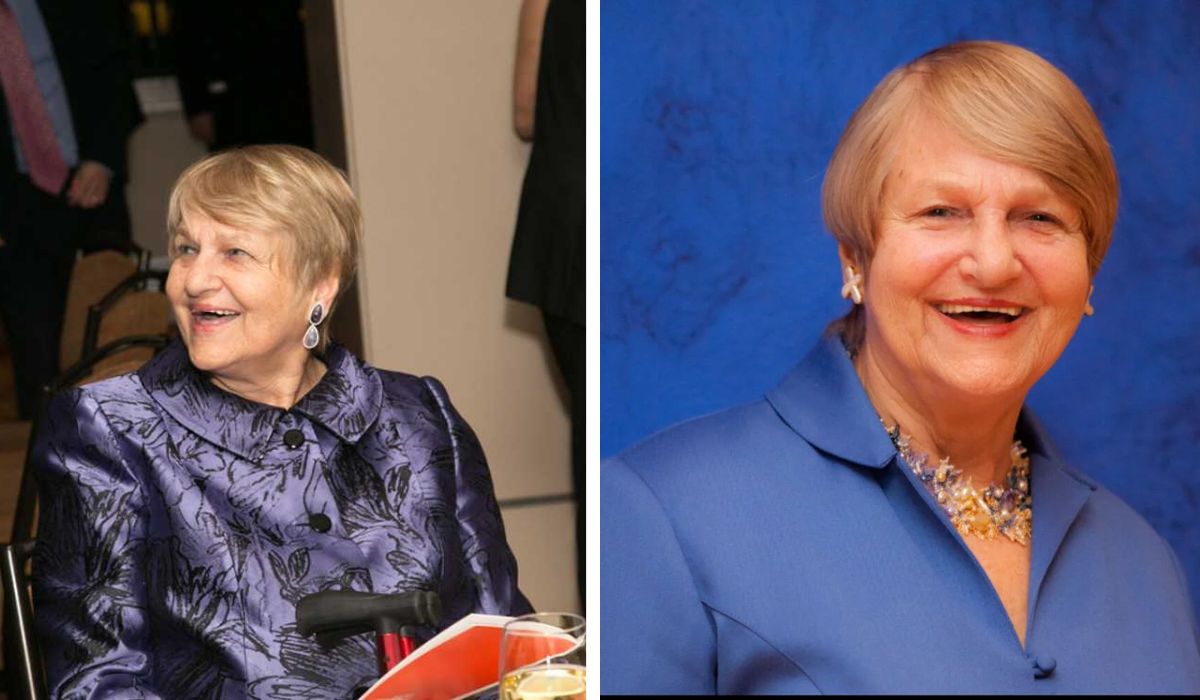

Early Life of Annaliese Witschak
| Aspect | Details |
|---|---|
| Full Name | Annaliese Witschak |
| Birthplace | Germany |
| Birth Period | Mid-20th Century (Exact date not publicly documented) |
| Nationality | German (later associated with the United States) |
| Childhood Era | Post-World War II Europe |
| Environment | Grew up during economic and social reconstruction |
| Early Challenges | Exposure to instability, limited resources, rebuilding society |
| Migration | Relocated to the United States for better opportunities |
| Education | Not widely documented but believed to be completed in Europe/USA |
| Personality Traits | Resilient, private, disciplined |
Who Is Annaliese Witschak?
In the landscape of historical personalities connected to influential global figures, Annaliese Witschak stands as a notable yet private individual whose life intersects with one of the most recognized financiers in modern history. Known primarily as the former wife of George Soros, Witschak’s story reflects resilience, discretion, and a life shaped by post-war European realities.
Despite her association with wealth and influence, Annaliese Witschak maintained a low public profile, choosing a path away from media attention. This has made her biography both intriguing and less documented, increasing interest among researchers, historians, and those curious about influential family networks.
Early Life and Background
Origins and Childhood in Europe
Annaliese Witschak was born in Germany, a country recovering from the devastating effects of World War II. Her early life was marked by economic instability and social upheaval, which deeply influenced her outlook and resilience.
Growing up in a war-torn environment, Witschak experienced firsthand the challenges of rebuilding life amid scarcity. This upbringing instilled in her a sense of discipline, humility, and adaptability—qualities that later defined her personal and family life.
Immigration and New Beginnings
Like many Europeans seeking better opportunities after the war, Annaliese Witschak eventually moved to the United States. This transition represented a significant turning point, offering access to education, stability, and long-term prospects.
Her journey mirrors the broader migration trends of the mid-20th century, where individuals sought economic security and personal freedom in America.
Marriage to George Soros
A Union That Shaped Public Interest
Annaliese Witschak gained wider recognition after marrying George Soros in 1960. At the time, Soros was an emerging financier, not yet the global billionaire he would later become.
Their marriage symbolized a partnership during formative years, where both individuals were building their lives and careers from the ground up.
Family Life and Children
During their marriage, the couple had three children:
- Robert Daniel Soros
- Andrea Soros Colombel
- Jonathan Soros
Witschak played a central role as a mother, focusing on raising their children in a stable and supportive environment. Her influence is often noted in the values and accomplishments of her children, many of whom went on to pursue successful careers in finance, philanthropy, and public policy.
Private Life and Personal Values
Commitment to Privacy
Unlike many individuals associated with wealth and power, Annaliese Witschak deliberately avoided public exposure. She did not seek media attention, interviews, or public recognition, making her one of the more enigmatic figures connected to high-profile circles.
Her approach reflects a strong preference for personal integrity and discretion, qualities that remain rare in an era dominated by visibility and influence.
Family-Oriented Lifestyle
Witschak’s life revolved primarily around her family responsibilities. She prioritized:
- Child upbringing and education
- Maintaining a structured household
- Supporting her husband’s early career
This focus highlights her role as a foundational figure within the Soros family, contributing to the stability that allowed future success.
Divorce and Life After Separation
End of Marriage
After more than two decades together, Annaliese Witschak and George Soros divorced in 1983. By this time, Soros had already established himself as a significant figure in global finance.
The separation marked a new phase in Witschak’s life, one that she continued to navigate away from public scrutiny.
Maintaining Independence
Post-divorce, Witschak maintained her private lifestyle, refraining from leveraging her association with Soros for publicity or influence. This decision reinforced her image as a self-contained and dignified individual.
Connection to the Soros Legacy
Role in a Globally Influential Family
Although she remained out of the spotlight, Annaliese Witschak is intrinsically linked to the broader Soros legacy. Her children have played important roles in:
- Philanthropy
- Economic development initiatives
- Policy and governance
Her influence can be seen indirectly through the values and achievements of her family members.
Influence Beyond Visibility
Witschak’s legacy is not measured by public appearances but by her quiet contributions to a family that has impacted global finance and philanthropy.
Why Annaliese Witschak Continues to Attract Interest
Association with Global Influence
The connection to George Soros, a figure known for his involvement in:
- Hedge fund management
- Political activism
- Philanthropic initiatives
naturally draws attention to those within his personal circle.
Mystique of a Private Life
In contrast to modern public figures, Witschak’s absence from media creates a sense of mystery. This scarcity of information makes her a subject of:
- Biographical curiosity
- Historical research
- Public intrigue
Key Facts About Annaliese Witschak
| Attribute | Details |
| Full Name | Annaliese Witschak |
| Birthplace | Germany |
| Nationality | German-American |
| Known For | Former spouse of George Soros |
| Marriage Year | 1960 |
| Divorce Year | 1983 |
| Children | Robert, Andrea, Jonathan |
| Public Presence | Extremely private |
Annaliese Witschak’s Lasting Legacy
A Life Defined by Substance Over Visibility
In an era where recognition often equates to relevance, Annaliese Witschak represents a different paradigm—one where impact is not tied to public attention.
Her life underscores:
- The importance of family foundations
- The value of discretion
- The strength found in resilience
Enduring Influence
Though not a public figure in the traditional sense, Witschak’s role within a globally influential family ensures her place in historical narratives. Her contributions, while understated, remain integral to understanding the personal dimension behind financial powerhouses.
Conclusion
Annaliese Witschak’s story is one of quiet strength, resilience, and purposeful privacy. From her early life in post-war Germany to her role within a globally recognized family, she exemplifies a life lived with intentional discretion and unwavering focus on family values.
Her legacy continues not through headlines, but through the enduring influence of her family and the principles she upheld—a testament to the idea that true impact often exists beyond the public eye.