
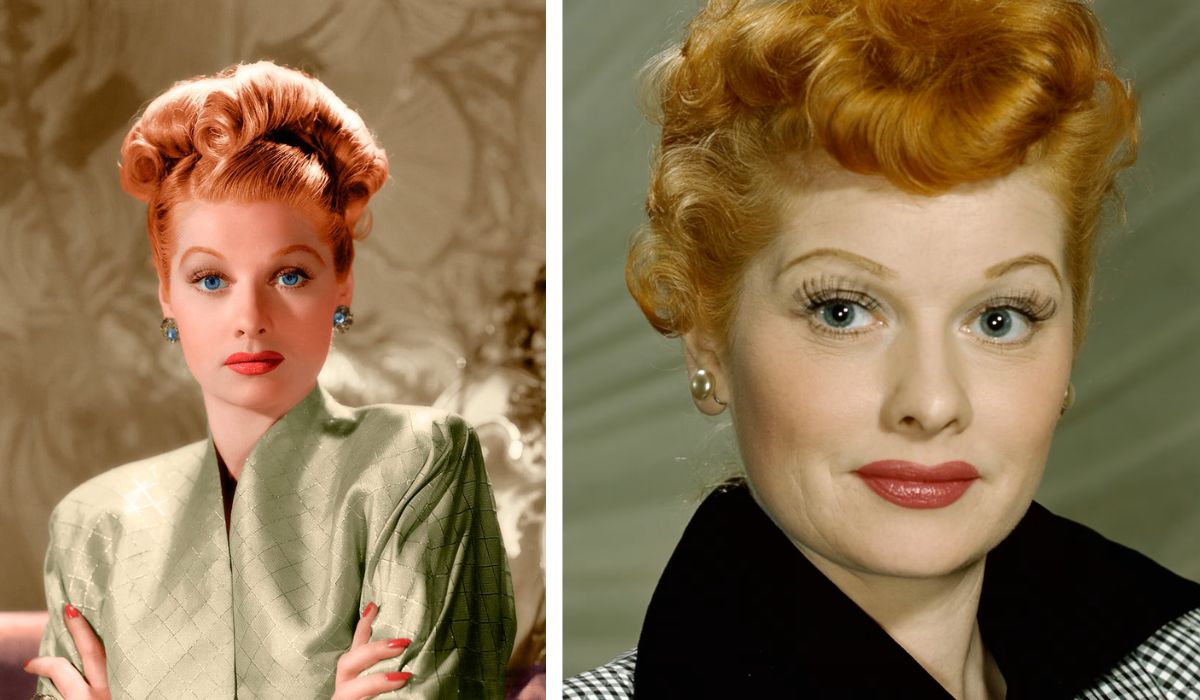

Introduction to Lucille Ball’s Financial Legacy
When we examine the extraordinary life of Lucille Ball, we uncover not only a groundbreaking entertainer but also a strategic businesswoman who reshaped the television industry. Her net worth was not merely the result of acting salaries—it was built through visionary production decisions, ownership stakes, and industry-defining innovation.
At the time of her passing in 1989, Lucille Ball’s net worth was estimated at $40 million, which would equate to over $100 million in today’s dollars when adjusted for inflation. This figure reflects her dominance in television, her pioneering role as a female studio executive, and her enduring cultural relevance.
Early Life and Career Beginnings
Lucille Ball was born on August 6, 1911, in Jamestown, New York. Her early life was marked by modest beginnings, but her ambitions were anything but small. She initially pursued a career in modeling before transitioning into acting.
Her early Hollywood career consisted of minor film roles throughout the 1930s and 1940s, where she earned the nickname “Queen of the B Movies.” While these roles provided steady income, they did not significantly contribute to her long-term wealth. The turning point came when she embraced television—a medium that was still in its infancy.
Breakthrough Success with I Love Lucy
Lucille Ball’s financial trajectory changed dramatically with the creation of the iconic television series I Love Lucy. Premiering in 1951, the show became one of the most successful sitcoms in television history.
Key Financial Highlights from I Love Lucy:
- Salary Earnings: Ball earned a substantial weekly salary during the show’s run.
- Ownership Stake: Through her company, Desilu Productions, she retained ownership rights.
- Syndication Profits: The decision to film episodes allowed for reruns, generating continuous revenue streams.
This innovative approach to syndication was revolutionary. Instead of live broadcasts, episodes were recorded on film, allowing them to be redistributed globally. This strategy created long-term passive income, significantly boosting her net worth.
Desilu Productions: The Real Wealth Engine
Lucille Ball co-founded Desilu Productions with her husband Desi Arnaz. This company became the cornerstone of her financial empire.
Why Desilu Was So Valuable:
- Produced hit shows beyond I Love Lucy
- Owned production facilities and intellectual property
- Controlled distribution rights
Under Ball’s leadership, Desilu produced legendary shows such as:
- Star Trek
- Mission: Impossible
These productions generated massive revenue streams, further solidifying her financial standing.
The Historic Sale of Desilu Productions
In 1967, Lucille Ball made a pivotal business decision—she sold Desilu Productions to Gulf+Western for approximately $17 million.
This sale was a defining moment:
- It instantly increased her personal wealth
- It marked one of the largest television studio transactions of the era
- It cemented her status as one of the first female media moguls
The company was later absorbed into Paramount Pictures, further highlighting the long-term value of her enterprise.
Other Income Streams and Investments
Beyond television, Lucille Ball diversified her income through multiple channels:
Film Career
Before her television success, she appeared in numerous films, contributing to her early earnings.
Endorsements and Public Appearances
As one of the most recognizable faces in America, she secured lucrative endorsement deals and speaking engagements.
Real Estate Holdings
Ball invested in prime real estate properties, which appreciated significantly over time.
Residual Income
Her shows continued to air globally, generating consistent royalties decades after their original release.
Lucille Ball’s Net Worth at Death
At the time of her death on April 26, 1989, Lucille Ball’s net worth was estimated at:
- $40 million (1989 value)
- Equivalent to $100+ million today
This wealth was accumulated through:
- Television salaries
- Production ownership
- Syndication royalties
- Business ventures
Inheritance and Estate Distribution
Lucille Ball’s estate was distributed among her children and heirs, including her daughter Lucie Arnaz.
Her intellectual property rights, including I Love Lucy, continue to generate revenue, ensuring that her financial legacy remains intact even decades later.
Impact on Women in Business and Entertainment
Lucille Ball was not just a performer—she was a trailblazer for women in leadership roles. She became:
- The first woman to run a major television studio
- A pioneer in content ownership and syndication rights
- A model for future female entrepreneurs in entertainment
Her business acumen directly influenced how modern television deals are structured today.
Comparing Lucille Ball’s Wealth to Modern Stars
While $40 million may seem modest compared to today’s celebrity fortunes, it is crucial to consider the context:
- Television was still developing as a medium
- Female executives were extremely rare
- Syndication was a new concept
Compared to modern stars, Lucille Ball’s wealth represents a foundational era of entertainment economics, making her one of the most financially influential figures of her time.
Enduring Cultural and Financial Legacy
Lucille Ball’s influence extends far beyond her lifetime. Her work continues to generate income and cultural relevance through:
- Streaming platforms
- Syndicated television reruns
- Merchandise and licensing deals
Shows like I Love Lucy remain among the most-watched classic sitcoms globally, ensuring continuous monetization of her brand.
Conclusion
Lucille Ball’s net worth is not merely a number—it is a reflection of innovation, resilience, and strategic foresight. She transformed herself from a struggling actress into a television pioneer and business powerhouse.
Her ability to combine creative talent with financial intelligence allowed her to build a legacy that continues to thrive today. In evaluating her wealth, we recognize not just her earnings, but her lasting impact on the entertainment industry and business world.